Our Services
Lambda Sensor Replacement in Vantaa
A faulty lambda sensor wastes fuel and triggers the engine warning light — replacement is quick and worthwhile.
There are usually two lambda sensors: upstream and downstream of the catalyst. Either can be faulty.
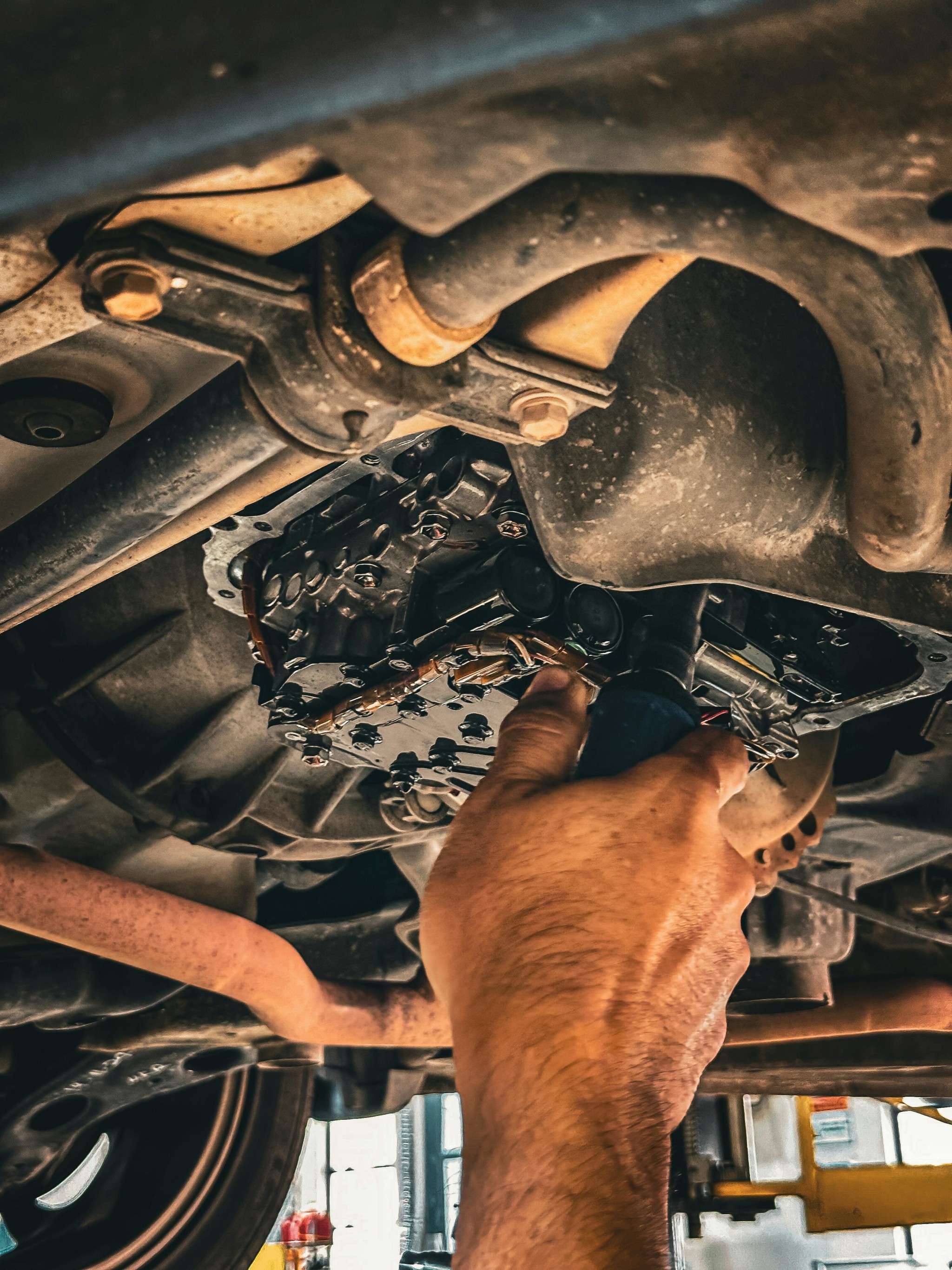
Lambda sensor replacement pricing:
- Lambda sensor replacement – 199 €
- Manufacturer OE sensor (NGK, Bosch, Denso) – from €239
- Both lambda sensors (full package) – from €349
- Diagnostics and wiring test – included
- Fault code clearing and adaptation – included
Our Services
Lambda sensor replacement
Price includes sensor and installation. Replacing both lambda sensors at once is recommended if the car is over 10 years old.
from199 €
When a lambda sensor needs replacing
A lambda sensor measures the oxygen content in the exhaust and reports it to the engine ECU, which adjusts fuel delivery to keep the mixture optimal. As the sensor ages its response time lengthens and values start to drift from reality. The result is rising fuel consumption (up to 10–20 % more), reduced performance and premature catalyst clogging. The most common symptoms: engine management light with codes P0130–P0174, elevated fuel consumption with no obvious cause, lag on the throttle and rough idle. An MOT emissions-test fail is often a lambda sensor fault. Sensor life is typically 100 000–150 000 km.
Our Services
Why do lambda sensors fail?
A lambda sensor is constantly exposed to 300–600 °C exhaust gas and chemical contaminants. Oil combustion products, lead-containing fuel additives and silicone-bearing gasket materials can deposit on the sensor element and slow it down. An internal engine fault — such as oil consumption — noticeably shortens sensor life, because burning oil leaves deposits on the element. Replacing the sensor doesn't address the underlying issue if the engine still has a leak or ignition fault.
Other services
Related repair services
Technically adjacent repairs and maintenance for the same vehicle system.
Exhaust Work
from 150 €
Repair or replacement of exhaust system, silencer or catalytic converter.
Muffler Replacement
from 211 €
Replacing a rusty or damaged muffler. Reduces exhaust noise and meets MOT requirements.
DPF Replacement
from 720 €
Replacing or cleaning the diesel particulate filter (DPF). Clears fault codes and restores performance.
DPF Cleaning (Particulate Filter)
from 380 €
A mechanical DPF clean restores filter flow to near-new condition without the cost of replacing the part.
EGR Valve Replacement
from 520 €
Replacing or cleaning the EGR valve. Improves engine performance and reduces emissions.
EGR Valve Cleaning
from 280 €
Cleaning a dirty EGR valve. Improves engine performance and reduces emissions.
Our Services
Can't Find the Service You Need?
We handle all car repair work. Request a free cost estimate by phone or by booking an appointment online.
Popular Services